How to Prevent Denture Stomatitis
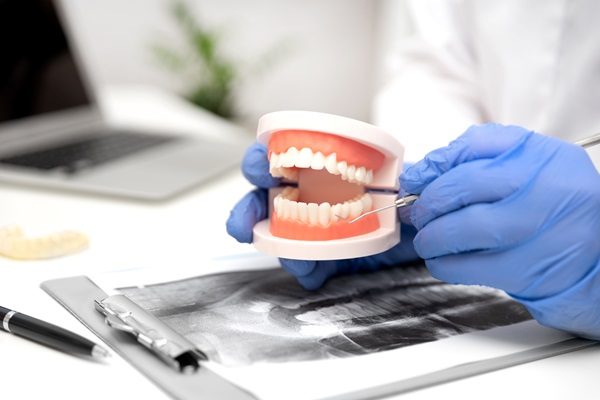
Denture stomatitis can affect patients who wear dentures, bringing uncomfortable symptoms like redness and inflammation. However, there are simple ways to prevent this condition. From consistent oral hygiene to denture relines, patients can wear dentures comfortably and without any issues.
What is denture stomatitis?
Denture stomatitis is a fairly common condition that causes inflammation in the soft tissues beneath a set of dentures, most often on the upper palate. Although the term might sound serious, it usually does not cause pain at first, which is why it often goes unnoticed without routine dental care. It is most often linked to poor denture hygiene or wearing dentures continuously, especially overnight.
Denture stomatitis is not exclusive to older patients and may occur in anyone who wears removable dentures. While it is not considered a serious health issue, it can contribute to discomfort, alter denture fit, and increase the risk of further oral infections if left untreated.
Common symptoms and causes
Denture stomatitis develops gradually and may go unnoticed in its early stages. Some of the most common symptoms include persistent redness under the denture, swelling of the palatal tissue, and, in some cases, small red dots resembling a rash. Although typically not painful, a burning sensation or slight discomfort may occasionally be reported, particularly when consuming hot or spicy foods.
This condition is frequently associated with poor denture hygiene, which allows yeast to thrive beneath the appliance. Constant denture wear creates a warm and moist environment that promotes fungal overgrowth, making it important to take dentures out at night. Ill-fitting dentures that cause friction or pressure points may also compromise tissue health and increase susceptibility to inflammation. Additional risk factors include dry mouth, smoking, nutritional deficiencies, and systemic conditions such as diabetes, which can weaken immune responses and create an environment more prone to oral infections.
Medications that reduce saliva flow can exacerbate the risk. The same is true if a patient uses dentures without regular relining or adjustments. Even when dentures appear clean, microscopic biofilm can accumulate on them over time, leading to microbial imbalance.
Preventing denture stomatitis
Maintaining a clean oral environment and properly caring for dentures are the most effective ways to prevent denture stomatitis. These actions also help extend the lifespan and comfort of the denture itself. Here are five oral and denture care tips that can help reduce the risk of denture stomatitis:
- Clean dentures daily with a soft brush and non-abrasive cleanser — avoid using regular toothpaste
- Remove dentures at night to let oral tissues rest and stay healthy
- Rinse dentures after eating to clear food debris and reduce plaque buildup
- Soak dentures overnight in a denture-cleaning solution or clean water
- Stay hydrated to flush bacteria out of the mouth and, if needed, address symptoms of dry mouth
It is also important to visit the dentist regularly for checkups and cleanings. They can discuss when it is time to replace or reline dentures, such as if they become loose or cause pressure points. Not only are properly fitting dentures more comfortable, but they lower the chances of developing denture stomatitis.
Learn more about how to prevent denture stomatitis
With the right care and habits, denture stomatitis is easily preventable. A dentist can provide additional, more detailed prevention tips during an appointment. Contact our Swansea office today to schedule an appointment.
Request an appointment here: http://www.barringtonfamilydental.com or call Barrington-Swansea Family Dental at (508) 439-4074 for an appointment in our Swansea office.
Check out what others are saying about our dental services on Yelp: Dentures and Partial Dentures in Swansea, MA.
Related Posts
Dental cleanings are an essential part of maintaining good oral health. However, there are other actions patients can take to maintain a healthy smile in between these visits. Brushing and flossing are a foundation of oral hygiene but are just a start. The following simple and practical tips can make for a healthier, more beautiful…
There are many ways to keep your teeth bright, white, and healthy. However, you may see unfamiliar stains or shades on your teeth, making them appear gray. Fortunately, a general dentist can evaluate gray teeth by identifying the root cause of the change.It is common for teeth to change color, and it does not always…
A dental crown and a bridge both restore smiles, but they solve different problems and follow different procedures. Many patients ask which option is best when a tooth breaks, cracks, or goes missing. Typically, a general, cosmetic, or family dentist would repair a tooth with a crown but replace a missing tooth with a bridge.…
Family dentists are uniquely qualified to offer various dental services to patients of all ages. Children, teens, and adults can visit the dentist for teeth cleanings, checkups, cavity fillings, and other restorative dental procedures. This article will examine the qualifications of family dentists to help you find the right one for your family’s oral health.Becoming…
